Camper Key Fob: A Craft Fair Designer Review
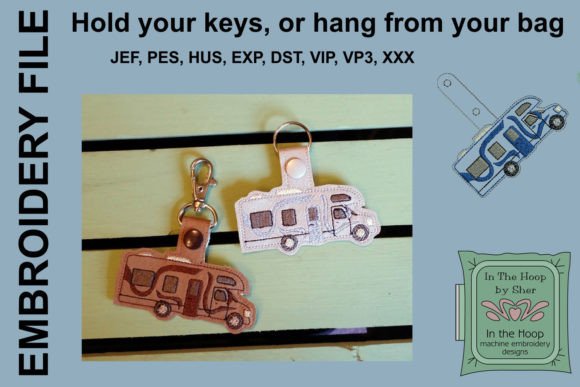
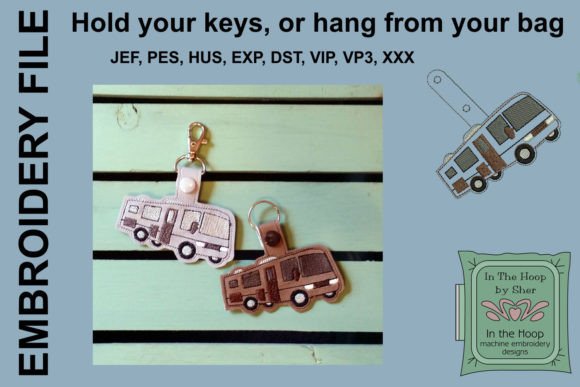
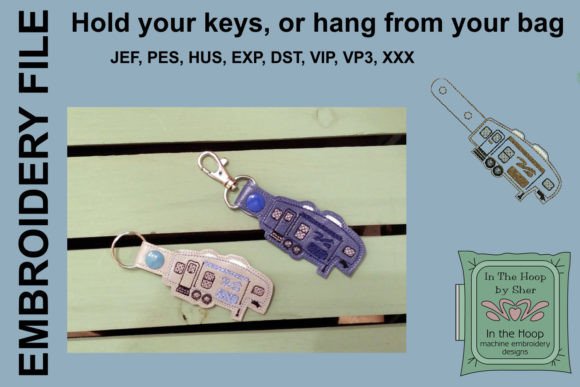
As I set up my table for the upcoming weekend craft fair, the pressure to curate a display that stops traffic is immense. My booth is already lined with embroidered tote bags, rustic aprons, and cozy tea towels. Every item needs to speak to the customer immediately. Today, I am reviewing a new machine embroidery design titled Camper Key Fob. The description promises an embroidery file and instructions to create a fifth wheel or camper key fob using your own machine. It includes multiple file formats, which is a standard necessity for modern digital sellers. But does this specific design translate into a best-selling craft fair product? Let's dig into the practicalities of turning this digital asset into a profitable handmade good.
First Impressions: Rustic Charm Meets Modern Utility
When I first opened the preview of the Camper Key Fob, the aesthetic struck me as a perfect blend of rustic nostalgia and modern utility. It feels bold enough to be noticed but cute enough to appeal to the "van life" demographic that floods our markets. In a sea of generic floral patterns, a design explicitly referencing camping gear stands out. It taps directly into the Camping lifestyle trend without feeling cliché. For an Etsy seller or a boutique maker, this design offers immediate thematic relevance. It suggests adventure, freedom, and the joy of the outdoors, emotions that drive impulse buys at a market stall.
The visual weight of the design is balanced. It doesn't feel overly dense, which is crucial for small items like key fobs where stitch buildup can ruin the drape or function of the fabric. However, it also isn't so minimal that it gets lost on a busy table. This balance makes it a versatile handmade product candidate. Whether you are targeting serious RV enthusiasts or casual campers who just love the aesthetic, the design communicates clearly at a glance.
Product Versatility Beyond the Key Fob
While the title specifies a key fob, experienced designers know that a strong motif can live on many products. If you are planning a batch production run, limiting yourself to just key fobs might miss a significant revenue stream. Here is how the Camper Key Fob performs across different applications:
- Embroidered Patch: This is arguably the strongest application. By stabilizing a sturdy felt or twill backing, you can create high-quality patches. These are easy to sew onto hats, backpacks, or denim jackets. They photograph beautifully for online listings and stack neatly in jars at a physical booth.
- Tote Bag Design: Placing this motif in the corner of a canvas tote bag creates a subtle brand statement. It works well as a secondary accent alongside larger text designs.
- Apron Embroidery: On a kitchen apron, perhaps near the pocket, this design adds a personal touch for the home cook who loves the outdoors. It fits the "farmhouse chic" vibe perfectly.
- Tea Towel Embroidery: Similar to aprons, this works well on linen or cotton blends. Just ensure the thread colors contrast sharply against the towel texture.
- Fabric Pouches: Small makeup or coin pouches benefit from this focal point. It turns a simple utility item into a giftable keepsake.
For the digital seller, offering this design as part of a bundle for various projects increases its perceived value. It becomes more than just a key fob pattern; it becomes a lifestyle branding tool.
Production Realities: Stitch Density and Fabric Texture
Before committing to a full production run for the weekend market, I always test the design on scrap fabric. With the Camper Key Fob, there are specific technical considerations. First, check the stitch density. If the camper wheels or details are too tight, they may pucker thin fabrics like quilting cotton or cause tension issues on textured materials like terry cloth towels.
Secondly, consider the hoop size. Since this is intended for a key fob, the design footprint is likely compact. This is excellent for speed, allowing you to hoop and stitch multiple units in a short time. However, if you plan to scale it up for a pillow cover or large tote bag, verify that the embroidery file scales cleanly without distorting the proportions of the camper. Some vector-based designs stretch poorly, while others hold their shape. Always review the scaling options in your software before stitching.
Another critical factor is the fabric texture. Thick, looped fabrics like bath towels can swallow small details. If the design features tiny lettering or intricate window panes on the camper, these might get lost in the loops of a heavy towel. In such cases, a dense cutaway stabilizer is non-negotiable. It provides the necessary foundation to keep the stitches crisp and prevent sinking.
Visual Appeal and Customer Engagement
In a crowded market, visual appeal dictates sales. The Camper Key Fob has the potential to act as a conversation starter. When displayed on a finished product, such as a leather-wrapped keychain or a denim patch, it catches the eye. Customers often look for items that reflect their hobbies. Seeing a detailed camper embroidered on a product triggers an emotional connection for RV owners.
To maximize this engagement, pay attention to thread colors. A neutral camper outline with pops of color—like a bright orange door or green trees—can make the design pop against earthy background fabrics. Conversely, a monochromatic scheme can look more premium and sophisticated. Create at least one real mockup for each colorway you intend to sell. Photos of the actual stitched item on a hanger or laid flat sell better than digital renderings alone.
For online shops, the printable mockup is essential. Show the design on a key fob, a hat, and a bag. This helps the buyer visualize the versatility. The design assets provided in the download should allow you to create these visuals easily. Remember, clarity is king. If the photo is blurry or the lighting washes out the thread sheen, the perceived quality drops.
Practical Designer Notes for Success
If you decide to integrate the Camper Key Fob into your business, follow these steps to ensure a professional result:
- Test Run: Always stitch a sample on the exact fabric and stabilizer combination you plan to use for the final product. Check for skipped stitches or tension issues.
- Check Licensing: Confirm the commercial licensing terms included with the digital embroidery file. Ensure you are permitted to sell the finished goods at craft fairs and on Etsy. Some licenses restrict the number of items sold or require attribution.
- Color Contrast: Choose thread colors that stand out against the base fabric. Avoid dark thread on dark fabric unless you are aiming for a tonal, luxury look.
- Stabilizer Selection: Do not skimp here. Use tear-away for stable wovens and cut-away for knits or stretchy fabrics to maintain the integrity of the design.
- Batch Production: Once you have perfected the settings, organize your workspace for efficiency. Hoop all your bases, load the bobbin, and run the machine continuously to maximize output before the fair opens.
The Camper Key Fob is a solid addition to any commercial embroidery portfolio. It bridges the gap between functional accessories and decorative art. While it requires careful attention to detail regarding fabric choice and stabilizer use, the payoff is a high-margin, high-appeal item that resonates with a passionate audience. Whether you are a seasoned small shop product creator or just starting your journey as a creative entrepreneur, this design offers a reliable path to a successful booth display. Just remember to trust your eyes, test thoroughly, and let the craftsmanship shine through every stitch.