Christmas Time with Christmas Tree Design Review
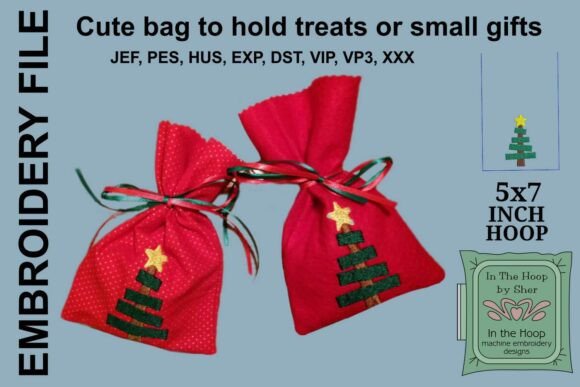
As I set up my booth for the upcoming weekend craft fair, the table is a chaotic mix of fabrics, hoops, and half-finished samples. The air smells of hot glue and thread spools. In this high-pressure environment where every inch of display space counts, selecting the right machine embroidery design can make or break a sale. Today, I am putting Christmas Time with Christmas Tree under the microscope to see if it belongs in my lineup of premium handmade products. This design promises joyful trees, festive decorations, and a warm color palette, but does it translate well from a digital file to a physical item that customers will want to buy?
First Impressions: Festive Charm Meets Market Appeal
At first glance, Christmas Time with Christmas Tree exudes a classic, nostalgic holiday spirit. It feels less like a modern, minimal graphic and more like a traditional farmhouse or rustic decoration. For a craft fair setting, this is a significant advantage. Shoppers at these markets are often looking for warmth, tradition, and tangible quality. The description highlights "charming Christmas trees" and a "warm color palette," which suggests a design that will pop against neutral backgrounds like cream, beige, or soft sage green.
When evaluating a design for a small shop product, I look for immediate visual recognition. Does a customer walking past my table stop? With Christmas Time with Christmas Tree, the answer leans heavily toward yes. The imagery is universally understood and evokes an emotional response associated with the season. However, the true test lies in how the design holds up when stitched onto various textures and sizes.
Product Suitability: Where Does This Design Shine?
Not every embroidery file works on every product. My strategy involves matching the complexity of the design to the surface area and texture of the fabric. Here is how I plan to utilize Christmas Time with Christmas Tree across my inventory:
- Tote Bags and Market Bags: This is the ideal canvas. A large tote bag allows the full composition of the trees and decorations to breathe. The design acts as a focal point, turning a simple cotton bag into a statement piece. I anticipate these will be bestsellers for shoppers carrying their own market hauls.
- Tea Towels and Aprons: Kitchen linens are a staple for holiday gifters. The "warm color palette" mentioned in the description pairs beautifully with natural linen or terry cloth. For apron embroidery, I would place the design on the chest pocket or lower hem, depending on the scale. Tea towel embroidery requires careful attention to the fabric weave to ensure the stitches don't sink too deeply.
- Embroidered Patches: If the design has distinct outlines, it could work well as a detachable patch. These are perfect for denim jackets or backpacks, offering a versatile way for customers to add a touch of holiday cheer to existing items.
- Pillow Covers: For home decor enthusiasts, a pillow cover featuring this motif adds instant seasonal ambiance. The design needs to be centered and balanced to look professional on a square canvas.
- Caps and Small Pouches: Here is where caution is needed. The curved surface of a cap can distort wide designs. Unless Christmas Time with Christmas Tree is available in a smaller, simplified version, it might be too busy for a standard baseball cap front. Small pouches offer limited space, so only the most iconic elements should be used here.
Production Realities: Stitch Density and Fabric Texture
As an experienced designer, I know that what looks beautiful on a screen can sometimes struggle in the hoop. One of the primary concerns with festive designs is stitch density. Holiday motifs often involve intricate details like ornaments, garlands, and foliage. If the digital embroidery file packs too many stitches into a small area, the fabric can pucker, especially on textured towels or thick canvas.
I always recommend testing the design on scrap fabric before committing to a batch production run. Check the back of the stitching to ensure there are no loose threads or excessive stabilizer residue. When working with Christmas Time with Christmas Tree, pay close attention to the thread colors. While the warm palette is inviting, ensure there is enough contrast between the tree greens and the background fabric. On dark fabrics, white or gold accents might get lost without a backing layer.
Another critical factor is the hoop size. If the design is intended for a 5x7 hoop, it may not fit well on a small patch or a narrow apron pocket. Verify the dimensions of the design assets before purchasing materials. If you are planning to sell finished products, consistency is key. You want every item on your table to look identical, which means mastering the hooping technique and tension settings for this specific pattern.
Selling Strategy: From Booth Display to Etsy Listings
The ultimate goal is conversion. How does Christmas Time with Christmas Tree perform in a sales environment? In a physical booth, lighting plays a huge role. The metallic or variegated threads often found in holiday designs catch the light, drawing the eye. To maximize this, I suggest creating a tiered display where the embroidered items are propped up rather than laid flat.
For the online component, such as an Etsy seller listing, photography is everything. A printable mockup can help visualize the design, but nothing beats a photo of the actual finished product. Show the design on different fabrics to demonstrate versatility. Highlight the texture of the embroidery; zoom in on the stitch work to prove the quality. Customers buying a handmade product want to feel the craftsmanship through the screen.
This design also offers great potential for brand consistency. If your shop specializes in cozy, rustic holiday goods, Christmas Time with Christmas Tree fits perfectly. It reinforces the narrative of warmth and tradition. However, avoid overusing it. Limiting the quantity creates scarcity, which can drive urgency during the pre-holiday rush.
Practical Designer Notes for Success
Before you start stitching, keep these practical tips in mind to ensure your commercial embroidery venture succeeds:
- Test First: Always run a test on the exact fabric you intend to use. Textured towels behave differently than smooth cotton.
- Stabilizer Matters: Use a cutaway stabilizer for stretchy fabrics and a tear-away for stable wovens. This prevents distortion and ensures clean edges.
- Check Licensing: Confirm your commercial license terms. Can you sell the finished goods? Can you sell the embroidery file itself? Never assume; read the fine print.
- Spacing and Placement: Leave adequate margin around the design. Crowding the edge of a tote bag or pillow cover looks amateurish.
- Color Matching: If the design calls for specific shades, match them to your thread inventory. Mismatched colors can ruin the "warm" aesthetic described in the product details.
In conclusion, Christmas Time with Christmas Tree is a strong contender for any holiday collection. Its charming aesthetic and versatile application make it a reliable choice for craft fairs and online shops alike. By paying attention to production details like stitch density, fabric choice, and presentation, you can transform this delightful seasonal motif into a profitable and beloved craft fair product. Whether it ends up on a tea towel, a tote bag, or a decorative patch, the key is execution. Make it count, and let the holiday spirit shine through every stitch.