Bees and Daisies: A Craft Fair Review
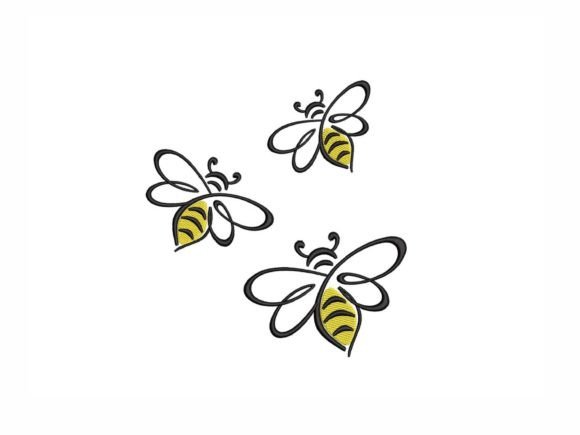
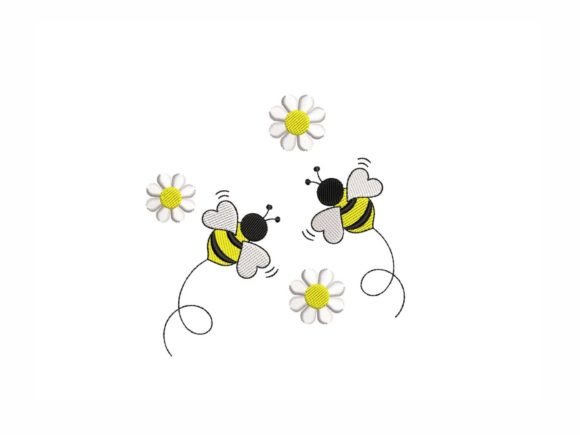
As an experienced embroidery designer who has spent countless weekends setting up booths at local craft fairs, I know that the difference between a design that gathers dust and one that flies off the table often comes down to immediate visual appeal. Today, I am reviewing the Bees and Daisies machine embroidery design. This piece falls under the Bugs category, but it transcends the typical insect motif by blending whimsy with the timeless charm of garden flowers. The description promises to capture the essence of nature's beauty, featuring bees nestled among daisies with intricate detailing that evokes a sense of wonder. Before I commit this digital file to my production schedule for the upcoming market season, I need to evaluate its real-world performance on various handmade products.
First Impressions: Whimsy Meets Market Appeal
When I first loaded the Bees and Daisies embroidery file onto my screen, the mood was immediately clear. It is not a dark or edgy Bug design; rather, it feels soft, decorative, and undeniably cute. The aesthetic leans heavily into the farmhouse and rustic trends that continue to dominate the handmade market. For an Etsy seller or boutique maker, this design offers a premium feel without being overly complex. The intricate detailing mentioned in the product description suggests a level of craftsmanship that customers associate with high-quality handmade goods. In a crowded booth filled with generic items, a tote bag or apron featuring this specific scene can stop a shopper in their tracks because it taps into the universal love for pollinators and springtime gardens.
Product Versatility and Display Strategy
The true test of any commercial embroidery product is how well it translates across different mediums. Here is how Bees and Daisies performs on the items I plan to feature at my next craft fair:
- Tote Bag Design: This is likely the best use case for this pattern. A large-scale version on a natural canvas tote allows the intricate detailing of the petals and bee wings to shine. It serves as a perfect statement piece for eco-conscious shoppers looking for a reusable bag that looks better than the plastic alternatives.
- Apron Embroidery: Placing this design on the bib of a linen apron creates a charming kitchen accessory. The "nestled" aspect of the composition works well here, as it doesn't require a massive hoop size but still provides a focal point.
- Tea Towel Embroidery: Kitchen textiles are a staple for small shop products. However, the texture of terry cloth can sometimes obscure fine details. I would recommend using this on flat-weave cotton towels where the stitch density remains visible and crisp.
- Embroidered Patch: Creating patches from this design is a smart move for lower-cost impulse buys. Customers love pinning unique designs on denim jackets or backpacks. Just ensure the backing is sturdy enough to handle the intricate edges.
- Caps and Pouches: While cute on a cap, the curved surface might distort the delicate lines of the daisy petals. Small fabric pouches work well if the design is centered and not too close to the seams.
- Pillow Covers: For home decor enthusiasts, a pillow cover with this motif adds a touch of whimsy to a living room. It photographs beautifully for online listings, making it a strong contender for digital sellers offering printable mockups alongside physical goods.
Production Realities: Stitch Density and Fabric Choice
While the visual appeal is high, practical production challenges must be addressed before mass-producing this craft fair product. The description highlights "intricate detailing," which is a double-edged sword in embroidery. High detail often means higher stitch density. If the thread colors are too similar or the stitches are packed too tightly, the design may lose clarity, especially when viewed from a distance in a busy market aisle.
I always advise testing the design on scrap fabric first. For Bees and Daisies, I will check the spacing between the bee legs and the flower centers. Tiny details can get lost if the stabilizer is insufficient or if the fabric texture is too thick. Textured towels, for instance, can cause the needle to skip or the threads to sink, ruining the "whimsical" look we want to achieve. Additionally, dark fabrics might swallow the lighter thread colors used for the daisies unless a cutwork technique or heavy underlay is applied. To maintain the premium feel, I will stick to light, neutral fabrics like cream, sage green, or soft yellow to let the thread contrast pop.
Visual Impact and Customer Engagement
In the world of handmade markets, your booth display is your storefront. The Bees and Daisies design has the potential to significantly boost buyer engagement. Its bright, cheerful nature draws the eye, and the subject matter is universally understood and loved. Unlike abstract art, which requires explanation, a bee and daisy combination communicates joy and nature instantly. This reduces the friction of the sales process; a customer sees it, smiles, and imagines it in their own home or on their person.
For digital sellers creating printable mockups, this design assets package is gold. It sells the dream of a cozy, creative lifestyle. When paired with high-quality photos of finished products, it elevates the perceived value of the item. A simple tea towel becomes a "garden-inspired luxury textile" simply by adding this embroidery. This perception of value allows boutique makers to price their items higher, covering the time invested in hooping, stitching, and finishing.
Designer Notes for Success
If you are planning to use Bees and Daisies for your business, follow these critical steps to ensure a successful launch:
- Verify Licensing: Before selling any finished product, confirm the commercial licensing terms of the digital embroidery file. Ensure you have the right to sell items made with this design at craft fairs and on platforms like Etsy.
- Check Hoop Size: Confirm the required hoop size fits your intended product. You do not want to struggle fitting a large design onto a small patch pocket.
- Test Stitch Density: Run a test on the actual fabric you intend to use. Look for puckering or gaps in the fill stitches. Adjust tension if necessary.
- Select the Right Stabilizer: Do not skimp here. A good tear-away or cut-away stabilizer is essential for maintaining the shape of the intricate petals and bee wings.
- Create Real Mockups: Avoid relying solely on computer-generated images. Stitch out a sample on a real tote or towel to see how the thread sheen interacts with the fabric in natural light.
- Compare Thread Colors: Ensure the thread colors provide enough contrast against the background fabric so the intricate details remain legible.
Ultimately, Bees and Daisies is a strong contender for any embroidery business owner looking to expand their catalog with nature-themed items. It balances artistic detail with broad market appeal. By paying attention to fabric choice, stabilizer usage, and proper scaling, you can turn this digital file into a best-selling craft fair product that brings a smile to every customer's face. Whether you are a seasoned pro or just starting your journey as an Etsy seller, this design offers a delightful opportunity to showcase the beauty of handmade quality.