Peacock Paisley: A Designer's Practical Review
As a designer who has spent years navigating the intersection of digital art and physical thread, I approach every new machine embroidery design with a critical eye. It is not enough for a pattern to look good on a screen; it must translate flawlessly into a tangible texture that holds up under scrutiny. Today, I am evaluating Peacock Paisley, a design promising to transform fabric into a stunning work of art. My goal is to determine if this specific motif delivers on its promise of elegance and personality when applied to real-world projects like custom apparel, home décor, or boutique merchandise.
The First Impression: Elegance Meets Complexity
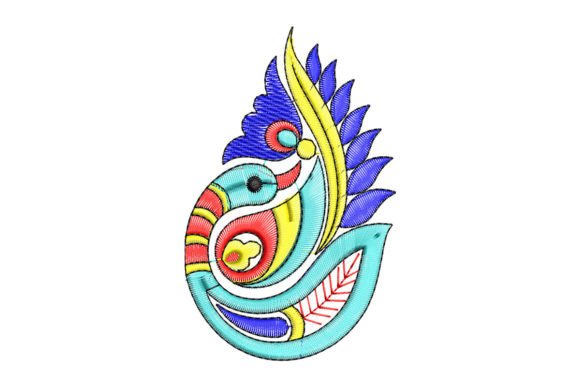
At first glance, Peacock Paisley strikes a balance between organic fluidity and structured detail. The fusion of the classic paisley shape with the iridescent tail feathers of a peacock creates a visual rhythm that is immediately engaging. For those of us creating handmade products or curating an Etsy shop, this kind of visual complexity is often what separates a generic item from a premium one. The design feels less like a simple clip-art insert and more like a curated illustration ready for stitching.
However, the true test lies in how the design handles the transition from vector lines to physical thread. In my experience, designs labeled as "exquisite" often rely heavily on fine details that can get lost if the stitch count is too low or the fabric is too textured. With Peacock Paisley, the interplay of curves suggests a heavy reliance on satin stitches for outlines and fill stitches for the feather bodies. This combination can yield a luxurious sheen, but it requires careful execution to avoid puckering or thread breakage.
Real-World Application: From Tote Bags to Sweatshirts
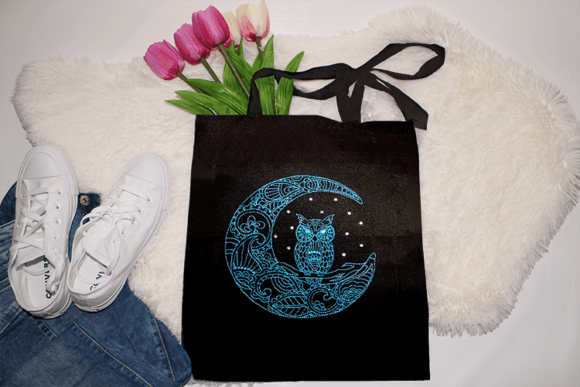
Let’s imagine a specific scenario: you are preparing a line of high-end tote bag designs for an upcoming craft fair. You want something that screams "boutique quality" without overwhelming the canvas. Peacock Paisley fits this niche perfectly. Placed centrally on a sturdy cotton tote, the intricate details of the peacock feathers would catch the light, drawing the customer's eye immediately. The organic flow of the paisley element softens the geometric rigidity often found in bags, adding a touch of whimsy that appeals to a broad demographic.
Consider also the potential for sweatshirt embroidery. If you are targeting the holiday market, placing this design on the chest or back of a fleece garment could elevate a standard sweatshirt into a sought-after gift. The rich, layered nature of the peacock motif pairs well with the cozy texture of knitwear. However, because sweatshirts have a looped surface, you must be mindful of how the design interacts with the fabric pile. A dense fill stitch might flatten the fabric too aggressively, while a lighter density could allow the loops to show through, muddying the image.
For parents looking for unique baby embroidery items, this design offers a sophisticated alternative to cartoon animals. A small version of Peacock Paisley on a nursery pillow cover or a personalized blanket could serve as a timeless heirloom piece. The key here is scaling. The delicate curves of the paisley must remain distinct even at smaller sizes to maintain their charm.
Navigating Challenges: Fabric, Density, and Hoop Size
While the aesthetic appeal is high, practical application requires caution. One of the primary concerns with a design as detailed as Peacock Paisley is the hoop size. If your machine only accommodates small hoops, you may find yourself compromising the integrity of the design by shrinking it down. Tiny lettering or intricate corners in the peacock feathers can become indistinguishable blobs of thread if the scale is reduced too far.
Fabric choice is equally critical. On textured fabrics like linen or denim, the design will hold up well, provided you use a robust stabilizer. However, on thin or stretchy fabrics, such as jersey or silk, the tension required to pull the threads tight could cause significant distortion. The weight of the thread colors used in the peacock's vibrant tail could pull the fabric inward, ruining the drape of a blouse or the fit of a cap. Always test the design on scrap fabric first to gauge how much shrinkage or puckering occurs.
Furthermore, consider the background color. While the product description mentions transforming fabric, dark backgrounds require a different approach than light ones. On black or navy fabric, the white or metallic threads needed to highlight the peacock's features will stand out beautifully, but they may require a backing layer to prevent the dark fabric from showing through the gaps in the running stitch areas. Conversely, on light fabrics, you might need to adjust the stitch density to ensure the darker shades of the design do not bleed visually.
Commercial Viability and Brand Consistency
For the Etsy seller or small shop owner, consistency is the currency of trust. Peacock Paisley offers a distinctive look that can become a signature element of your brand. Whether you are selling embroidered patches, aprons, or tea towels, having a recognizable motif helps customers identify your work instantly. The "Birds" category is popular, but few designs capture the specific blend of nature and ornamentation that this pattern does.
When using this design for commercial embroidery, you must verify the licensing terms. Ensure you have the right to sell finished goods containing this digital embroidery file. Many designers offer personal licenses that prohibit resale of the final stitched item. Before launching a product line, confirm that your license covers commercial projects and that you are not infringing on intellectual property rights.
Additionally, think about the finished product presentation. High-quality mockups are essential for online sales. Test the design in both black and white printable mockups to see how the contrast holds up before investing in thread and fabric. Compare how the design looks on different material samples to ensure it meets the professional standards your customers expect.
Final Verdict for the Creative Entrepreneur
Peacock Paisley is a powerful asset for any designer willing to put in the technical work. It is not a "load and go" design for beginners; it demands attention to stabilizer choice, hoop tension, and fabric compatibility. However, for those who master these variables, the result is a personalized gift or custom apparel item that exudes sophistication.
If you are looking to add a touch of elegance to your portfolio, this design is worth the investment. Just remember to test thoroughly, respect the limits of your equipment, and always prioritize the structural integrity of the fabric. When executed correctly, Peacock Paisley does more than just decorate; it elevates the entire project into a piece of wearable or usable art.