Reviewing Blossoming Sakura Branch for Real Projects
As a designer who has spent years turning digital files into tangible, sellable goods, I approach every new machine embroidery design with a critical eye. It is not enough for a pattern to look pretty on a screen; it must translate flawlessly onto fabric, withstand washing, and elevate the perceived value of the finished product. Today, I am evaluating Blossoming Sakura Branch, a design categorized under Bouquets within the broader world of Embroidery. The concept is deceptively simple: a pink sakura branch intended to transform upcycled denim rectangles into a chic makeup bag. But does this aesthetic hold up when we move beyond the tutorial description and into the messy reality of running a craft business?
The First Impression: Mood and Visual Personality
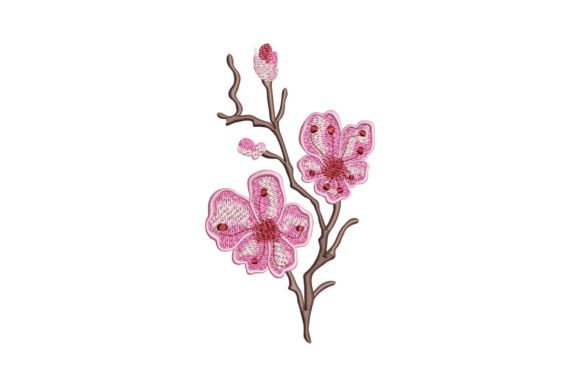
When I first loaded the embroidery file for Blossoming Sakura Branch, the immediate visual impact was one of delicate femininity and springtime renewal. The design leans heavily on the classic symbolism of cherry blossoms, offering a soft contrast that works exceptionally well against rugged textures. In the context of custom apparel or home decor, this specific motif suggests a brand identity that values nostalgia, nature, and thoughtful upcycling.
The layout of the branch feels organic rather than rigid. Unlike some geometric floral patterns that can feel stiff when stitched, Blossoming Sakura Branch mimics the natural sway of a limb in the wind. This fluidity is crucial for handmade products because it adds a layer of artistic intent. For an Etsy seller or a boutique owner, this visual personality signals quality. Customers buying a personalized gift often look for that "one-of-a-kind" feel, and a design that looks hand-drawn rather than mass-produced helps achieve that goal. The pink hues suggested in the description promise a pop of color that stands out without overwhelming the base material.
Real-World Application: From Denim to Finished Goods
The product description specifically highlights making a makeup bag from old jeans. This is a brilliant use case, but as a professional, I see the potential extending far beyond just denim rectangles. Imagine applying Blossoming Sakura Branch to a heavy cotton tote bag. The rough texture of canvas provides a perfect backdrop for the fine details of the petals, creating a striking juxtaposition between the industrial fabric and the delicate flower.
I also envision this design working beautifully on sweatshirt embroidery. Placing the branch on the left chest of a neutral grey or navy hoodie creates a subtle, sophisticated statement piece. For parents looking for baby embroidery, this motif could be adapted for a nursery pillow cover or a soft blanket, provided the stitch density is managed correctly to ensure softness against sensitive skin. Even as an embroidered patch, the distinct outline of the branch would make for a high-quality accessory that can be ironed onto jackets or hats.
For those running a craft business, versatility is key. This design fits seamlessly into holiday collections, serving as a spring-themed item for Easter or Mother's Day, or even as a winter accent on dark fabrics to suggest hope and renewal. Whether you are creating digital product previews for mockups or stitching actual inventory, Blossoming Sakura Branch offers a strong foundation for building a cohesive collection.
Navigating Technical Challenges and Fabric Choices
While the design is visually appealing, there are practical considerations that any serious maker must address before committing to a production run. The delicate nature of sakura petals means that stitch density is a critical factor. If the fill stitches are too dense, the fabric may pucker, especially on thinner materials like silk or lightweight linen. Conversely, if the density is too low, the pink thread might show through gaps, ruining the illusion of a solid bloom.
When using this design on stretchy fabrics like jersey knit for t-shirts, proper stabilizer usage is non-negotiable. Without adequate support, the hoop tension can distort the shape of the branch, causing the flowers to look misshapen once the stabilizer is removed. Similarly, on textured fabrics like corduroy or heavy wool, the small details of the petals might get lost in the weave. In these cases, I recommend testing the design on scrap fabric first to see how the running stitch and satin stitch elements interact with the surface texture.
Color contrast is another area requiring attention. While the description mentions pink, the background fabric dictates the final look. On a dark blue denim bag, a bright pink will pop vibrantly. However, on a light beige tote, the same pink might appear washed out unless you adjust the thread colors to a deeper shade. Always review your printable mockup in both black and white to ensure the design retains its definition regardless of the fabric choice.
Design Integrity and Commercial Viability
For commercial embroidery projects, maintaining design integrity is essential for customer trust. A poorly executed floral design can make a brand look amateurish. Blossoming Sakura Branch has the potential to elevate a simple tote bag design into a premium item, but only if the execution is flawless. The clarity of the petals and the smoothness of the branch lines contribute directly to the perceived value of the finished product.
If you plan to sell items featuring this design, you must confirm the licensing terms. Many digital embroidery files have restrictions on selling the physical goods versus selling the file itself. As a responsible business owner, ensure you have the right to use this asset for your small shop product line. Additionally, consider how this design fits into your overall branding. Does it align with your other design assets? Consistency helps build recognition among your customers.
Practical Designer Notes for Success
- Test First: Always run a test stitch on a scrap piece of the exact fabric you intend to use. Check for puckering and thread breaks.
- Check Hoop Size: Verify that your machine's hoop size accommodates the full span of the branch without needing to re-hoop, which can cause alignment issues.
- Stabilizer Matters: Use a tear-away or cut-away stabilizer appropriate for the fabric weight to prevent distortion during stitching.
- Color Strategy: Experiment with different shades of pink and green to find the best contrast for your specific fabric palette.
- Licensing Check: Review the license agreement to ensure you are compliant with commercial use policies for embroidery projects.
In conclusion, Blossoming Sakura Branch is more than just a decorative element; it is a versatile tool for designers and makers who understand the nuances of textile art. When applied with care, attention to detail, and a strategic approach to fabric selection, this design can transform simple materials into cherished personalized gifts and profitable small business merchandise. It captures the essence of spring and offers a timeless aesthetic that resonates with buyers looking for quality and charm in their handmade purchases.