Skeleton Dog: A Practical Embroidery Design Review
As a designer who has spent years navigating the delicate balance between creative flair and technical execution, I approach every new machine embroidery design with a critical eye. When I first loaded the Skeleton Dog file into my digitizing software, I wasn't just looking for a spooky graphic; I was evaluating a potential asset for my upcoming seasonal collection. The mood it immediately established was playful rather than terrifying, which is exactly what modern Halloween decor needs to succeed in a boutique or online shop.
The First Impression: Visual Personality and Layout
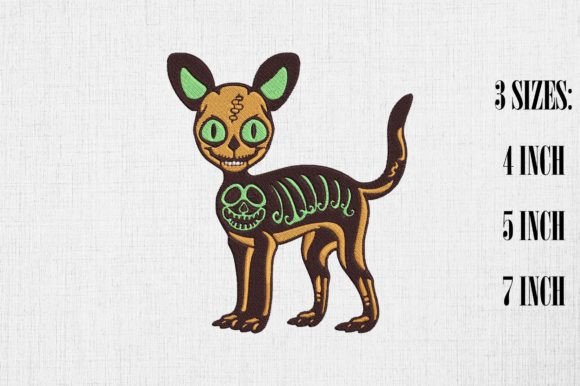
The initial visual impact of Skeleton Dog is defined by its clean lines and balanced composition. Unlike many skeletal designs that rely on excessive cross-hatching or chaotic detailing, this piece maintains a distinct silhouette while offering enough internal structure to look substantial when stitched. The layout feels organic, suggesting a dog that is mid-stride or sitting attentively, giving it a character that customers can connect with instantly.
From a design perspective, the level of detail is calibrated perfectly for a standard hoop size. It avoids the trap of being too dense, which often leads to puckering on stretchy fabrics, yet it isn't so sparse that it looks unfinished. This makes it an excellent candidate for custom apparel, where the fabric's drape is crucial. The visual personality screams "spooky cute," making it versatile enough for both adult sweatshirt embroidery and whimsical baby embroidery projects like onesies.
Real-World Application: From Tote Bags to Patches
To truly understand the value of an embroidery file, you have to imagine it on a finished product. I recently envisioned using Skeleton Dog on a heavy-duty canvas tote bag for a local craft fair. In this scenario, the design would serve as the focal point, centered on the front panel. Because the design holds its shape well, it translates beautifully into an embroidered patch style application, even without actual applique backing.
I also considered how this would perform on a kitchen towel or tablecloth for home decor. The fill stitch areas in the ribs and skull would provide a nice textural contrast against the smooth weave of a cotton towel. For small business owners or Etsy sellers looking to expand their inventory, this design offers a high perceived value. A simple white tee becomes a premium item once this detailed motif is stitched on, significantly increasing the price point of the finished product.
When thinking about holiday gifts, the versatility shines again. Imagine a personalized apron for a baking enthusiast or a pillow cover for a nursery with a Halloween theme. The design works equally well as a standalone statement or as part of a larger design assets collection. It creates a cohesive look for a brand that wants to appear professional yet approachable during the autumn season.
Navigating Technical Challenges and Fabric Choices
While Skeleton Dog is robust, experienced designers know that no design is immune to fabric challenges. If you plan to use this on thin or highly textured fabrics, caution is required. The density of the fill stitches could cause visible shadowing on very light materials if not stabilized correctly. Similarly, on dark fabrics, the thread colors must be chosen carefully to ensure the skeletal details pop without blending into the background.
Curved surfaces, such as caps or hats, present another consideration. While the main body of the dog is relatively flat, any intricate curves in the tail or legs need to be checked for potential distortion. Always test the design on a scrap piece of the same material before committing to a client order. Using the proper stabilizer is non-negotiable here; a cut-away stabilizer will likely yield better results for stretchy garments like sweatshirts, ensuring the design remains crisp after multiple washes.
Furthermore, if you are working with small hoop sizes, verify that the hoop size accommodates the full width of the design without requiring awkward re-hooping. Re-hooping can lead to registration issues, where the top half of the dog doesn't align perfectly with the bottom, ruining the professional finish. Always inspect small details and corners to ensure the running stitch outlines remain sharp and do not bleed.
Optimizing Thread Colors and Stitch Density
The success of Skeleton Dog largely depends on your choice of thread colors. While black and white offer a classic, high-contrast look, experimenting with muted oranges, purples, or greys can give the design a unique, vintage feel. However, avoid using too many color changes in tight areas, as this increases production time and the risk of thread breaks.
Reviewing the stitch density is also vital. If the file appears too dense in the software preview, consider adjusting the settings slightly to allow more air flow through the fabric, especially for items like baby clothes where breathability matters. Conversely, if the density is too low, the fabric might show through, diminishing the impact of the handmade product. Finding that sweet spot ensures the final result looks polished and intentional.
Strategic Advice for Craft Entrepreneurs
For those running a craft business or selling digital products, Skeleton Dog represents a reliable asset. Before listing items for sale, always create printable mockups to showcase how the design looks on various backgrounds. Compare light and dark fabric backgrounds in your photos to help customers visualize the product in their own homes.
It is also essential to confirm licensing terms before selling finished items or the digital embroidery file itself. Ensure you have the right to use the design for commercial purposes, whether that means selling the physical embroidered goods or offering the file to other makers. Building customer trust relies on delivering consistent quality and respecting intellectual property rights.
In conclusion, Skeleton Dog is a strong contender for any embroidery project this season. It balances aesthetic appeal with practical functionality, making it a favorite for decorators, hobbyists, and professionals alike. By testing thoroughly, choosing the right materials, and paying attention to the details, you can turn this design into a standout piece that drives engagement and sales. Whether it's a personalized gift or a staple for your small shop product line, this design delivers the spookiness and charm needed to capture the holiday spirit.