Bullmastiff Embroidery Design Review for Craft Fairs
As I set up my sewing machine and prepare my table display for the upcoming weekend craft fair, I am constantly evaluating which machine embroidery design will drive sales. Today, I am reviewing a specific digital asset: the Bullmastiff. This is not just another file in my library; it is a potential bestseller if executed correctly. The description promises a realistic capture of this beloved breed with intricate detailing, which immediately signals high value to dog lovers browsing handmade stalls. However, translating a digital file into a tangible craft fair product requires a critical eye. Does the Bullmastiff hold up under scrutiny? Will it stop a shopper mid-walk? Let's dive into the practical realities of turning this Dogs category design into profitable inventory.
First Impressions: Bold, Realistic, and Premium
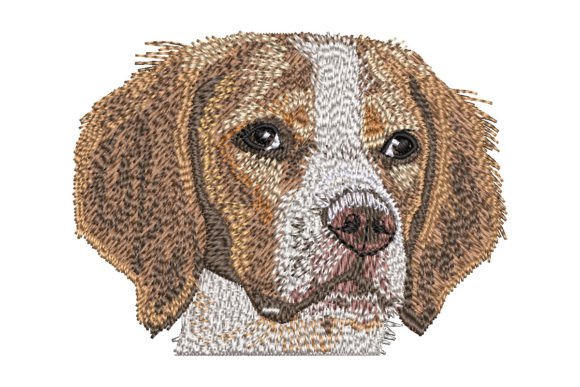
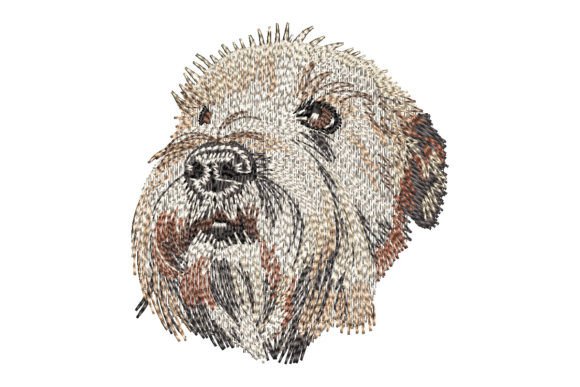
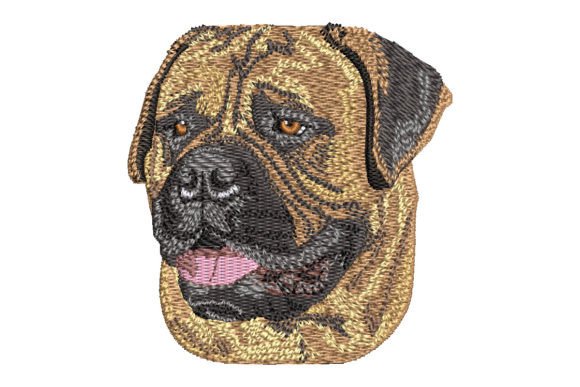
The moment I load the preview of the Bullmastiff, the aesthetic is clear. This is not a cartoonish or overly simplified outline. It feels bold and premium. For a booth filled with generic applique or simple monograms, a realistic embroidery file like this stands out as a statement piece. It appeals to the "farmhouse chic" crowd but also resonates with owners who want a true tribute to their pet's features. The intricate detailing mentioned in the product description suggests depth, which translates well on fabric. In a crowded market, visual complexity often equates to perceived quality. If a customer sees a tote bag with a flat, single-color dog silhouette versus one with the textured shading of a Bullmastiff, the latter commands a higher price point immediately.
Product Placement: Where Bullmastiff Shines
When planning my booth layout, I need to decide where this design fits best. Not every handmade product suits every design. Here is how I see the Bullmastiff performing across different items:
- Tote Bags: A large-scale tote bag design featuring the full head of the Bullmastiff is a winner. The sturdy canvas provides a perfect backdrop for the dense stitching. Customers love carrying art that represents their passion, and a high-quality dog portrait on a reusable bag is a functional accessory they will use daily.
- Kitchen Textiles: For apron embroidery and tea towel embroidery, the design works beautifully if placed centrally. An apron worn by a dog owner at a BBQ or a kitchen party becomes a conversation starter. The realism adds a touch of elegance to utilitarian items.
- Embroidered Patches: One of the most versatile uses for this digital embroidery file is creating patches. These can be sold individually or attached to denim jackets, backpacks, and hats. The intricate details of the Bullmastiff face are preserved well on the small scale of a patch, provided the stitch density is managed correctly.
- Caps and Pillows: Curved surfaces like caps require careful consideration. While the Bullmastiff looks great on a flat pillow cover, placing it on a cap demands a smaller size or a modified version to prevent puckering. Pillow covers, however, offer a large canvas where the "realistic" aspect truly shines, making them excellent home decor gifts.
Production Realities: Stitch Density and Fabric Texture
As an experienced designer, I know that what looks good on a screen can sometimes struggle on fabric. The Bullmastiff description highlights "intricate detail," which is a double-edged sword. High detail means higher stitch density. If I rush this onto thick, textured towels without the right stabilizer, the fine lines of the fur and eyes may blur or become blocked.
I must test this design on scrap fabric first. I need to check if the thread colors blend smoothly to create the realistic shading or if they look muddy. On dark fabrics, the contrast might be lost unless I use a backing layer or lighter threads strategically. For Etsy sellers and boutique makers, consistency is key. If the first batch of tea towels has slightly different shading due to thread tension issues, the brand reputation suffers. Therefore, I will confirm the hoop size requirements and ensure the design does not exceed the capacity of my machine for such complex files.
Practical Selling Points for the Weekend Market
At the craft fair, customers have seconds to make a decision. The Bullmastiff design needs to be visible from a distance. A large, clear image on a sample tote bag hanging at eye level will draw attention better than a small patch hidden in a pouch. The design feels repeatable for batch production once the settings are dialed in. This is crucial for maximizing profit margins. If I can produce ten high-quality aprons in a morning, the time investment pays off.
Furthermore, the emotional connection cannot be overstated. Dog owners are passionate buyers. Seeing a realistic representation of their breed triggers an immediate desire to own it. Whether it is a small shop product like a keychain pouch or a larger item like a blanket, the Bullmastiff taps into that loyalty. It elevates the item from a generic gift to a personalized treasure.
Visual Appeal and Brand Consistency
Incorporating the Bullmastiff into my product line affects my overall brand perception. It signals that I offer premium, detailed work rather than mass-produced basics. For my online listings, I will need to create a printable mockup that accurately reflects the texture of the embroidery. Photos are vital for Etsy sellers; a blurry photo of a complex design can lead to returns. I will take close-up shots to highlight the "intricate detail" promised in the description, showing the individual stitches that create the fur texture.
This design also helps in maintaining brand consistency. If my booth focuses on high-quality, realistic animal portraits, the Bullmastiff fits perfectly alongside other breeds. It creates a cohesive narrative for the customer: "This maker understands dogs and crafts beautiful tributes."
Designer Notes: Final Checklist Before Production
Before I commit to a full run of products for the weekend, I am following these essential steps to ensure success:
- Test Run: Always embroider the Bullmastiff on the actual fabric intended for sale (e.g., linen for tea towels, cotton twill for bags) to check for puckering.
- Stabilizer Selection: Use a heavy-duty cut-away stabilizer for stretchy fabrics like jersey or thick terry cloth to support the dense stitching.
- Thread Contrast: Verify that the thread colors pop against the background fabric. Realism relies on subtle gradients, so poor color choices can ruin the effect.
- Licensing Check: Confirm the commercial licensing terms for this commercial embroidery file. Ensure I am allowed to sell finished goods at craft fairs and online platforms.
- Size Verification: Do not shrink the design too much. Tiny details in the eyes and nose may disappear if the hoop size is reduced significantly below the recommended minimum.
- Mockup Creation: Create at least one physical sample to photograph for social media and listing images before the event.
The Bullmastiff is more than just a pattern; it is a strategic asset for any creative entrepreneur looking to elevate their booth. With its realistic style and intricate details, it offers a unique selling proposition in the saturated market of dog-themed goods. By respecting the technical requirements of Embroidery—managing density, choosing the right fabric, and ensuring quality control—this design can become a staple in your collection. It bridges the gap between digital artistry and tactile craftsmanship, offering something special that customers can feel and cherish. As I pack my samples for the fair, I am confident that the Bullmastiff will not only attract attention but also convert browsers into loyal buyers.