Noah: A Halloween Embroidery Design Review
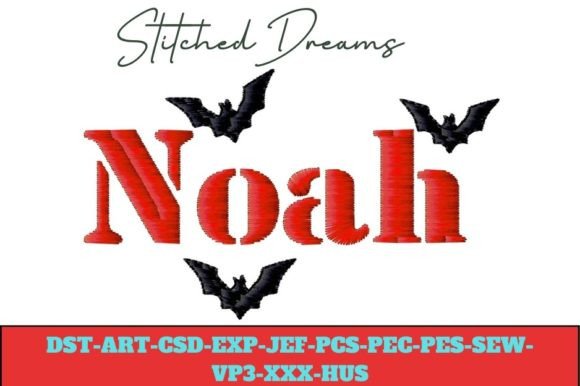
As a professional embroidery designer who has spent years translating digital files into tangible brand assets, I approach every new design with a critical eye. When reviewing the Noah machine embroidery design, my immediate focus is not just on how it looks on a screen, but on its viability for small business merch, branded patches, and custom apparel. The description promises a captivating digital embroidery design featuring the name Noah, crafted with intricate details that combine the playful essence of Halloween. For boutique owners, Etsy sellers, and apparel decorators looking to capitalize on the fall season, this file presents a unique opportunity to blend seasonal flair with professional branding.
First Impressions: Balancing Playfulness and Professionalism
The first thing that strikes me about the Noah design is its ability to walk the fine line between whimsical and polished. In the world of commercial embroidery, designs often lean too heavily into decoration, making them unsuitable for serious brand identity work. However, Noah feels different. The intricate details mentioned in the product description suggest a level of craftsmanship that elevates it above simple clip-art-style lettering. It carries a friendly, bold energy that fits perfectly within the Clothing category while maintaining an elegance suitable for high-end handmade products.
For a creative studio or a local bakery launching a limited-edition Halloween collection, this design offers a visual personality that is instantly recognizable. It does not scream "cheap decoration"; instead, it whispers "premium seasonal merchandise." This distinction is crucial when you are trying to build customer trust and recognition. A well-executed embroidered patch or logo accent can significantly increase the perceived value of your finished product, turning a standard tote bag or apron into a coveted item.
Strategic Applications for Small Business Merchandise
When evaluating how Noah performs in real-world business scenarios, the versatility becomes apparent. This is not merely a design for a single-use project; it is a robust asset for a variety of applications.
- Branded Patches: The intricate details of Noah make it an excellent candidate for embroidered patches. These can be sold as standalone collectibles or attached to denim jackets, backpacks, and canvas bags. The design holds up well when isolated, ensuring the name remains legible even at smaller scales.
- Staff Uniforms and Aprons: For a café or boutique, adding Noah to staff aprons or chest pockets creates a cohesive team look during the Halloween season. Apron embroidery is a cost-effective way to refresh your staff's appearance without buying entirely new uniforms.
- Cap Embroidery: While caps present challenges due to their curved surface, the structure of this design suggests it could work well as a front panel accent. It adds a touch of festive spirit to promotional headwear for events or local festivals.
- Tote Bag Design: Tote bags are staples for eco-friendly brands. Placing the Noah design on a sturdy cotton tote transforms a utilitarian item into a fashion statement. The contrast of the thread colors against natural fabric textures can be striking.
- Product Packaging Accents: Consider using a small version of this design as a sewn-on label for gift boxes or clothing tags. This subtle detail enhances the unboxing experience and reinforces your brand identity.
Whether you are creating event merch for a craft fair or building a permanent collection for your online shop, the Noah digital embroidery file serves as a versatile foundation. It allows you to maintain visual consistency across different product lines, from custom apparel to handmade gifts.
Critical Considerations for Production and Placement
While the potential is high, experienced designers know that execution is everything. There are specific areas where the Noah design must be used carefully to avoid production headaches or subpar results.
Size and Detail Management
The description highlights "intricate details." In embroidery, detail is directly correlated with stitch density and size. If you attempt to use this design on very small patch sizes or tiny lettering applications, the stitches may merge, causing the design to lose clarity. Always test the minimum viable size before committing to a full run. For cap fronts, ensure the curvature of the hat does not distort the delicate elements of the name.
Fabric Texture and Stabilization
Not all fabrics play nice with high-density designs. Textured fabrics like heavy wool, fleece, or loosely woven linen can interfere with the precision of the stitching. You must use the proper stabilizer to support the hoop size and prevent puckering. Dark uniforms require careful consideration of thread colors; if the background is too dark, the intricate details of Noah might get lost unless you utilize underlays effectively.
Wear and Tear
Items that need frequent washing, such as daily wear shirts or kitchen aprons, will stress the threads over time. High stitch density areas are more prone to snagging or fading. Before approving a design for items subjected to industrial laundering, create a sample and wash it multiple times to ensure durability.
Impact on Brand Identity and Customer Engagement
Choosing the right design asset is a strategic decision that impacts your entire brand. The Noah design, with its Halloween theme, taps into the emotional connection customers feel during the holiday season. By incorporating this into your small business merch, you signal that your brand is current, engaged, and attentive to seasonal trends.
This level of attention to detail fosters buyer engagement. Customers are more likely to purchase a tote bag or a shirt that features a unique, high-quality embroidery design rather than a generic printed graphic. It communicates a commitment to quality that builds long-term loyalty. Furthermore, using consistent design assets across your product range helps solidify your brand identity in the minds of your consumers. When they see the Noah motif on a patch, a cap, or a uniform, they immediately associate it with your business values of creativity and professionalism.
Practical Designer Notes for Implementation
To ensure the best results when bringing the Noah design to life, follow these practical steps derived from professional workflow standards:
- Test in Black and White First: Before selecting vibrant thread colors, run a test in a neutral shade. This helps you identify any spacing issues or areas where stitches might overlap unintentionally.
- Verify Hoop Size Compatibility: Check the dimensions of the design against your available hoops. If the design is larger than your hoop, you may need to split it, which can affect registration and alignment.
- Inspect Thread Color Contrast: Ensure there is sufficient contrast between the design and the fabric. Low contrast can make the intricate details invisible, defeating the purpose of the design.
- Create a Printable Mockup: Before sewing a single stitch, generate a printable mockup for client approval or internal review. This saves time and material costs by catching errors early.
- Confirm Commercial Licensing: As a business owner, it is imperative to confirm commercial licensing before business use. Ensure the digital embroidery file you purchase grants you the rights to sell the finished products.
- Compare Beside Other Assets: Place the Noah design next to your other existing design assets to ensure it complements your overall aesthetic rather than clashing with it.
In conclusion, the Noah machine embroidery design is a powerful tool for any decorator or small business owner looking to enhance their fall catalog. With its blend of playful Halloween spirit and professional intricacy, it stands out as a top-tier choice for custom apparel and branded goods. By adhering to best practices in sizing, stabilization, and testing, you can transform this digital file into a high-value physical asset that drives sales and strengthens your brand presence.